
Most Australian agents know that buyers start on the big property portals. That’s fine. Your listings should be there. But vendors, the people who decide who gets to sell their home, behave differently. Before they call anyone for an appraisal, a lot of them search Google for agents in their suburb and look closely at who comes up.
That’s the opening for local SEO. You can’t outspend the portals, but you can win the searches that lead to a conversation with a vendor. Here’s how, and our local SEO guide for Australian small businesses covers the foundations.
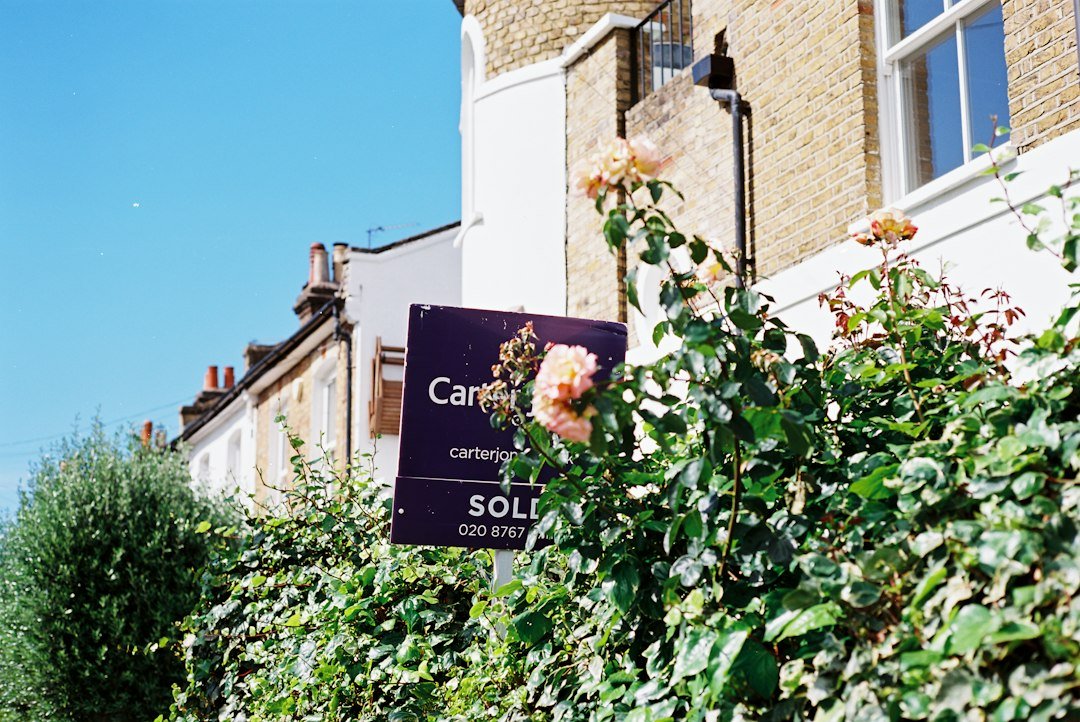
Think about what vendors actually search for
Buyers type things like houses for sale Parramatta. Vendors type very different things:
- Real estate agent Chatswood
- How much is my house worth in Hawthorn
- Best time to sell a house in Brisbane
- Selling costs and agent fees in Perth
- Auction or private sale
Those are the searches to build content around. Each one is a person who is thinking about selling and hasn’t yet chosen who to ring. Our keyword research for beginners guide shows how to find more phrases like these.
Make your Google Business Profile do the work
Your agency or office should have a verified profile with the correct category (Real Estate Agency), accurate hours, your phone number and your website. Google’s Business Profile help centre explains the setup. If you work from several offices, each should have its own listing. If individual agents are listed separately, make sure it’s done in line with Google’s guidelines, so you don’t end up with duplicates or a suspended profile.
Add photos of your office, your team and, where you have the owner’s permission, recent sales. Post updates about recent sold results and market news. Keep it honest and accurate, and follow your state’s rules on advertising property prices and results.
Build suburb pages that are actually useful
A page for each suburb you service is one of the strongest things you can have, as long as it’s genuinely helpful rather than a copy-and-paste template. Include things a vendor would want to know:
- A short, honest overview of the suburb and who tends to buy there
- Recent sales you’ve handled, where you have permission to show them
- How your approach works for that kind of property
- The agents who work that area and how to contact them
- A simple form to request an appraisal
Be careful with market statistics. Quote the source and date, avoid making predictions and make sure what you publish isn’t misleading.
Create content that answers vendor questions
Short, practical articles are good for both SEO and trust. Some ideas: how an auction works in your state, what to do before you list, how to prepare a home for photography, what conveyancers do, how to choose between a sale by auction and private treaty. Write them in plain language, based on questions you actually get at open homes and appraisals. Because rules differ between states and territories, keep the advice general and point readers to official or professional advice for specifics.
Use reviews wisely
Vendors read reviews. After a successful sale, when the client is happy, invite them to leave a Google review of their experience. Respond to every review and stay professional. Don’t offer incentives, don’t write your own and don’t pressure anyone. Privacy matters too: avoid sharing details of a transaction that the client hasn’t agreed to make public. Our guide to getting more Google reviews has the full list of dos and don’ts.
Make your own site and portal listings work together
Portals will keep sending buyers, and you should use them. But treat them as one channel, not your whole marketing. Your website is the part you own. Link to your listings, show your sold results and make it easy to request an appraisal. Keep your agency name, address and phone number the same everywhere, including on the portals and your social profiles.
Don’t forget speed and mobile
Property photos are big, and big images slow pages down. Compress them before uploading and make sure your site loads fast on a phone. A slow site loses vendors before they’ve read a word. Our technical SEO basics guide covers speed in more detail.
What to expect from local SEO
Property is a competitive field, so don’t expect overnight results. Start with your Google profile and your two or three most important suburbs. Build useful pages, collect honest reviews and publish steadily. Over months, those pieces add up to a presence that brings vendors to you, rather than leaving you to chase them.